
Exploring the Chinese language as a means for cultural understanding unveils a world of depth and complexity that transcends mere words chinese enrichment class. The intricate relationship between language and culture offers a unique window into the values and traditions that have shaped Chinese society for generations. By immersing oneself in this linguistic journey, one not only gains insight into the nuances of Chinese communication but also discovers a profound connection to the rich tapestry of Chinese heritage. This exploration is not just a study of words; it is an invitation to uncover the essence of a civilization through the lens of its language.

Benefits of Learning Chinese
Embarking on the journey of learning Chinese opens doors to a wealth of cultural insights, linguistic nuances, and professional opportunities that extend far beyond mere language acquisition. From a holistic perspective, delving into the Chinese language allows for a deeper understanding of one of the world’s oldest and richest cultures yanzi mandarin. By comparing the structure and idiomatic expressions of Chinese with other languages, learners gain a unique vantage point from which to appreciate the diversity of human communication.
The ethnographic value of learning Chinese lies in the ability to connect with over a billion people worldwide who speak the language, fostering cross-cultural understanding and empathy. Proficiency in Chinese not only enhances personal growth but also opens up avenues for international business, diplomacy, and academic pursuits. The freedom to explore different facets of Chinese society, from traditional customs to modern trends, empowers learners to navigate a globalized world with sensitivity and insight.
Understanding Chinese Characters
An essential aspect of delving into the intricacies of the Chinese language is gaining a profound understanding of Chinese characters, which serve as the foundational building blocks of written communication in this ancient and culturally rich language. Chinese characters, known as Hanzi, are intricate symbols that convey meanings beyond just words; they encapsulate cultural nuances, historical significance, and artistic expressions. Unlike alphabetic languages, each Chinese character is a work of art in itself, representing ideas, objects, or even sounds through a combination of strokes and components.
Understanding Chinese characters involves not only memorizing their shapes but also delving into the stories and symbolism behind them. For example, the character for ‘home’ (家) is a combination of ‘roof’ (宀) and ‘pig’ (豕), symbolizing a place where a pig under a roof signifies a family. This holistic approach to learning characters provides a unique insight into the Chinese culture and mindset, fostering a deeper connection with the language and its people.
Cultural Significance of Chinese Language
The cultural significance of the Chinese language lies in its intricate intertwining of historical narratives, societal values, and artistic expressions, making it a profound reflection of China’s rich heritage. Through its characters and tones, Chinese encapsulates thousands of years of history, embodying the wisdom, traditions, and beliefs of the Chinese people. The language serves as a unifying force, connecting generations and fostering a sense of shared identity among diverse Chinese communities worldwide.
Chinese characters, with their complex strokes and meanings, not only convey language but also encapsulate cultural symbols and imagery. Each character tells a story, evoking ancient tales, philosophies, and customs. Furthermore, the tonal nature of the language adds layers of meaning and emotion, reflecting the nuances of interpersonal relationships and societal dynamics.
In comparison to alphabetic languages, Chinese calligraphy is an art form in itself, showcasing the beauty and grace of written communication. The act of writing characters is a meditative practice, embodying discipline, harmony, and precision. Overall, the Chinese language stands as a cornerstone of Chinese culture, embodying the essence of tradition, unity, and creativity.
Traditional Chinese Festivals and Customs
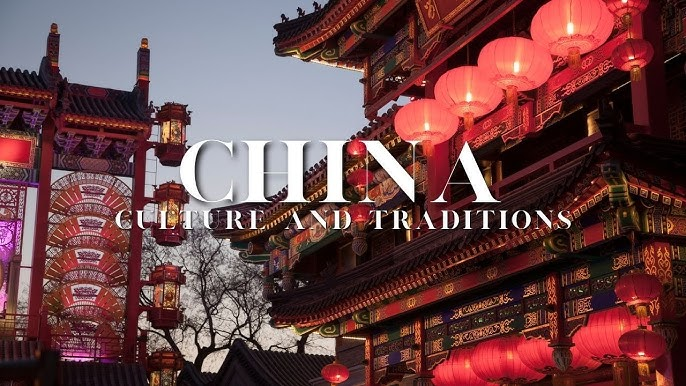
Rooted deeply in Chinese heritage, traditional festivals and customs serve as profound reflections of the country’s rich cultural tapestry, embodying centuries-old traditions and values. Among the most famous festivals is the Spring Festival, also known as Chinese New Year, a time of family reunions, feasting, dragon dances, and fireworks. The Mid-Autumn Festival celebrates harvest and family unity with mooncakes and lantern displays. Qingming Festival honors ancestors through tomb-sweeping and paying respects. These festivals highlight the importance of family, community, and honoring the past.
In contrast, customs like the red color for good luck, the significance of the number eight for prosperity, and the practice of feng shui for harmonizing energy flow are deeply ingrained in Chinese culture. Festivals and customs vary across regions, showcasing the diversity within Chinese traditions. While some customs have evolved over time, the essence of celebrating heritage and fostering connections remains at the core of these cultural practices. Through these festivals and customs, Chinese culture continues to thrive and evolve, bridging the past with the present.
Chinese Language in Modern Society
Deeply intertwined with traditional festivals and customs, the Chinese language plays a pivotal role in shaping and navigating modern societal dynamics. In contemporary Chinese society, language serves as a bridge between the past and the present, offering a rich tapestry of cultural nuances that influence various aspects of daily life.
The Chinese language, with its intricate characters and tonal variations, reflects the depth of Chinese history and heritage. As modern China undergoes rapid globalization and technological advancements, the language continues to evolve, blending traditional values with a modern flair. From business negotiations to social media interactions, proficiency in Chinese is increasingly valued both domestically and internationally.
Moreover, the Chinese language acts as a unifying force among the diverse regions and ethnic groups within the country. While Mandarin serves as the official language, numerous dialects and minority languages contribute to the linguistic landscape, highlighting the country’s multicultural identity.
Conclusion
In conclusion, studying Chinese for cultural understanding provides a unique opportunity to delve into the rich tapestry of traditions, values, and perspectives that have shaped Chinese society for centuries.
By exploring the language, one gains a deeper appreciation for the intricate symbolism of characters, the significance of traditional festivals and customs, and a profound connection with the heritage and mindset of the Chinese people.
This holistic approach allows for a deeper understanding and appreciation of the diversity of human experience.